
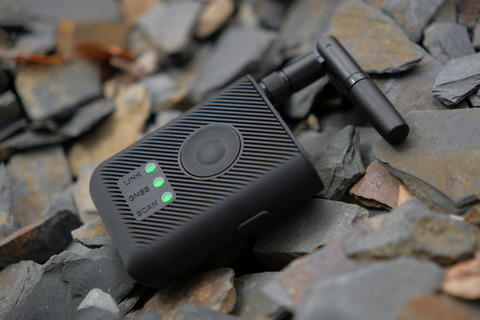
Product design of a portable device for Dronetag
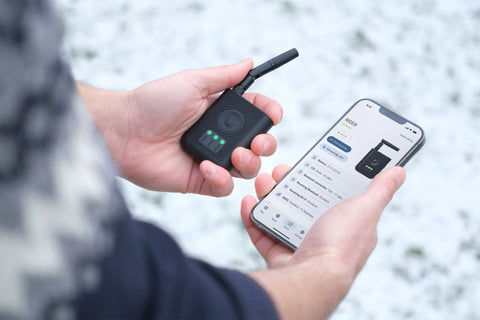
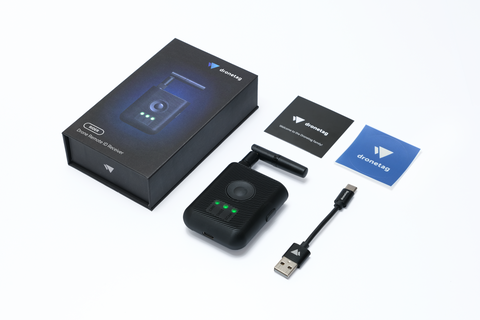
For Dronetag, I designed the housing of the device for remote drone identification that meets strict ergonomic and technical requirements. The Starting point for me was their proof of concept.
CLIENT:
Dronetag
PRODUCT:
Electronics
MY ROLE:
Design study, proof-of-concept 3D model, consultation
YEAR:
2024
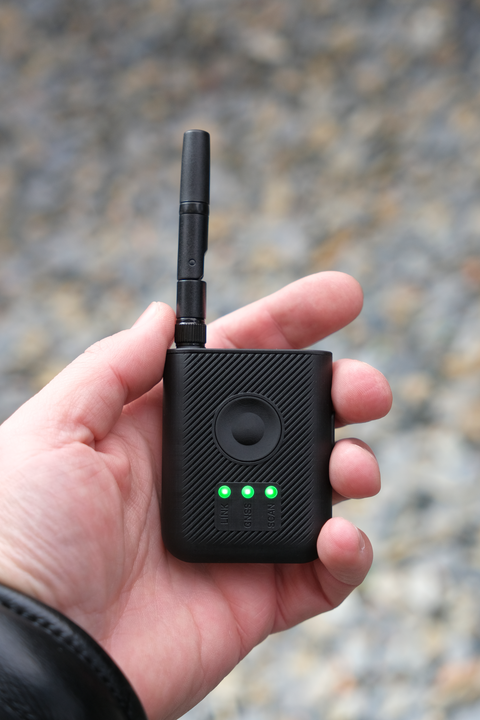
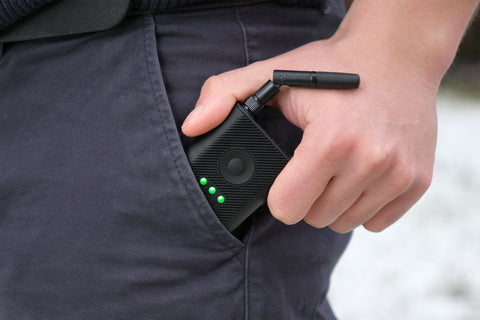
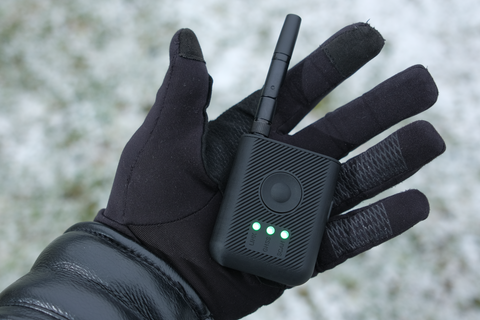
My role in this collaboration was to design functional casings around the electronics PCB concept (printed circuit board), battery, and antenna. The requirement was that the final design meet demanding ergonomic criteria for operation in various situations. At the same time, the development had to take into account the available manufacturing method and suitable material: UV photopolymer for SLA 3D printers.
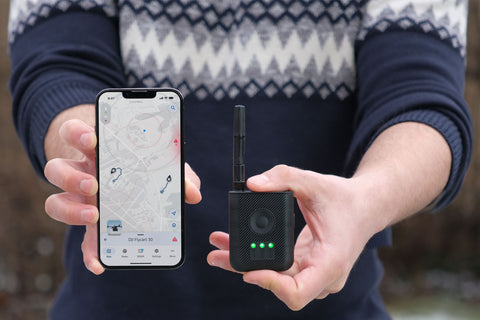
I first prepared sketches based on the client’s PCB concept. These were followed by basic 3D models and then 3D-printed mock-ups. After selecting one concept, I developed a more detailed 3D model of the chosen variant and printed a 1:1 prototype, which we validated together with the client. I then systematically consulted on the subsequent engineering and production, which the client handled internally.
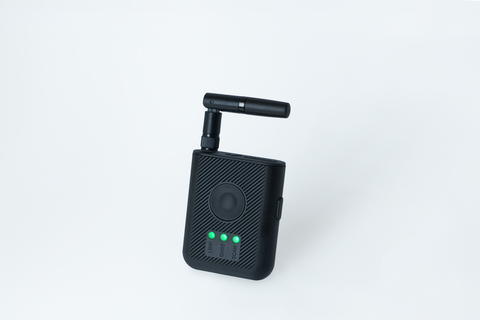
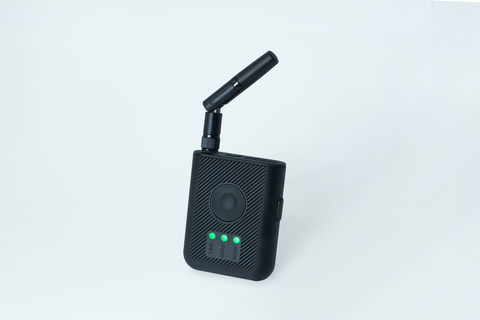
The result of our close collaboration is a compact device with a minimal number of parts. It can be manufactured in-house, and its functionality can be further improved in line with technological development. Dronetag, therefore, does not need to invest tens of thousands of euros in injection moulding for a one-off result. Instead, they can manage flexible 3D-printing production themselves and respond quickly to market and customer needs.
Let’s discuss your brief — or define it together. I’d be happy to advise you on how 3D technologies can support your growth.